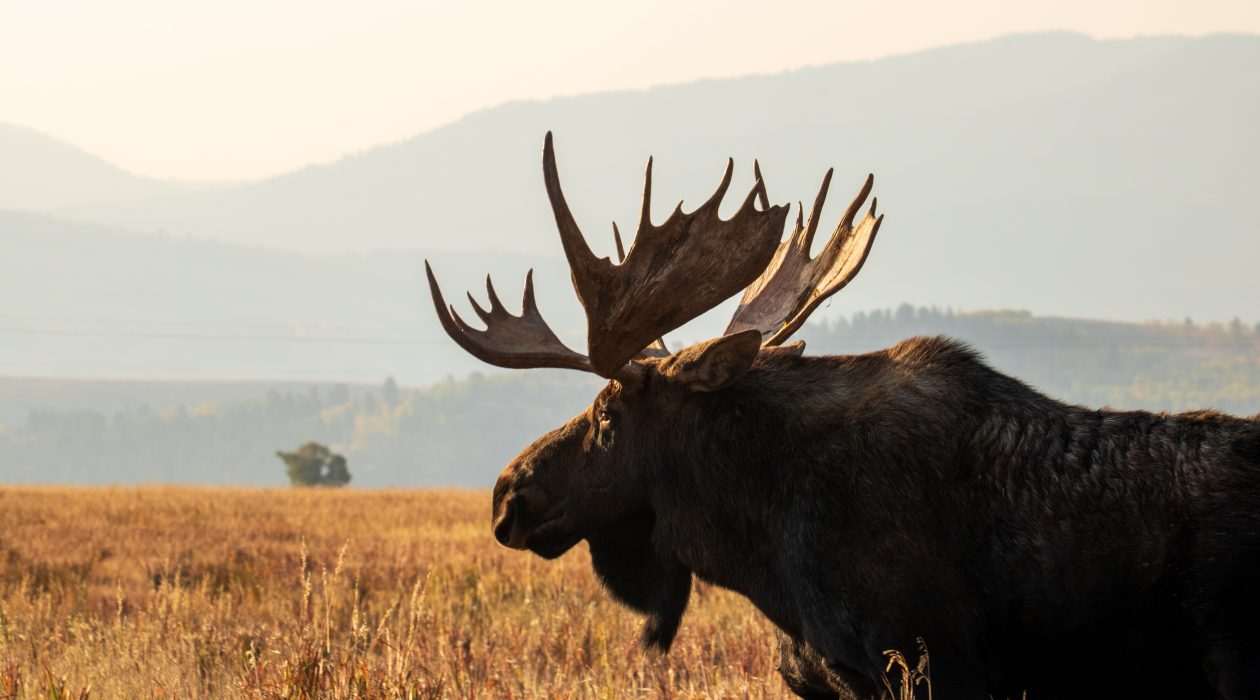
If you’re a beginner in the moose hunting world, you probably do not have much if any experience at all. But don’t worry! Although moose have some specific quirks, hunting them is much like hunting any other big game animal.
Moose hunting can be a very daunting task for beginners. Moose are large animals, and bagging such a trophy as one of these can be a feat in itself. Also, getting an opportunity to bag a moose can fill your freezer for an entire year.
A big bull moose can carry antlers that can be widths of about 5 feet. And a-mount of the antlers would make a great conversation piece with friends and family.
Here are some tips to help you understand moose hunting for beginners.
What to pack?
Moose hunting is a very remote hunting experience requiring hiking to get to the hunting spot. Always being prepared and packing essential gear that you need on the hunt is a must. Get your hunting license, make sure you know the rules and regulations of your desired hunting location, and plan accordingly. Proper clothing to stay visible to other hunters and also what you need depending on the weather. There are a lot of other tools you could bring with you, but some you should never go without. Always keep a GPS for navigation, a flashlight, and a hunting knife, and don’t forget to pack some food and water with you.
Keep in mind if you are packing the meat out, packing light but packing your most essential items is key.
Scouting
Scouting out the area before you do any moose hunting is essential. You can do the best pre-season scouting with boots on the ground hiking the area, and looking for any moose activity to pinpoint the best locations to hunt. You should pay particular attention to areas containing fresh beds, scrapes, droppings, and tracks.
Moose droppings are a great identifier of moose activity in an area. Also, moose tracks are telltale signs of moose in the area.
Always take notes on locations you find, how they look, and the advantages they will offer moose once the season starts. Check marshy areas for activity as they have certain plants like willows, horsetails, and pondweeds that are a staple in the moose’s diet.

When spotting moose, the best time is around dusk and dawn. Usually, You can spot them on trails and near where food is abundantly available.
Hunting locations according to the weather and season
In the previous tip, I mentioned recognizing what the area will be like and its advantages during the actual season. This is important, especially if you were scouting months in advance. Early season means targeting ridge lines or heavy cover. If the weather is unusually warm, head to marshy areas where moose will attempt to cool off. As the rut turns on, go to ponds, lakes, or other bodies of water as they are favorite hangouts for cows- and big bulls will go where ever the cows go.
Moose have an excellent sense of smell and hearing.
The moose you will be hunting is not like Bullwinkle in the cartoons. They are wild animals that adapt to survive in harsh conditions. Their sense, particularly hearing and smell, is very good at detecting potential threats and predators and will bust you in a heartbeat if not careful. Check the wind often and move to stay downwind at all times. Minimize noises when on the stand and when entering/exiting the area, and do not hunt a location if conditions are not right. If you leave an area holding moose and are not detected, there is a good chance they will still be there early the following day.
Check the wind often and move to stay downwind at all times.
Over Calling
Many hunters think that moose need to be called in for a successful hunt and end up calling so much that they scare away nearby animals. Yes, moose are a sound-driven specie and will often come to investigate what they think is strange moose in their range. But there is a limit to how much they will tolerate. Remember, calling is a moose’s means of talking, and if your calling is poorly timed or inappropriate for the situation, they are unlikely to come within range. A few calls in the early morning or late at night can help pull in far-off bulls, but during the heat of the day, I prefer thrashing brush to imitate a big bull cleaning his antlers.
Conclusion
Moose are often found in rural, remote areas that require hiking to get to and to scout. They are also very large animals, and if you are successful, you will then need to hike out the meat. This will likely be one of the more physically demanding hunts you have ever been on, and you must prepare yourself ahead of time.
Remember to scout and take notes of areas with activity. Also, understanding how weather and the seasons’ phases affect your hunt is crucial. Like all animals, they can sense you a mile away with their excellent noses and ears. And do not forget to pack your essential gear!